NEED TO KNOW
Representatives from 132 countries and the EU met in Brazil to address threats to migratory species
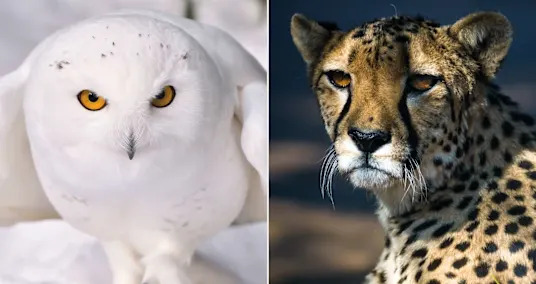
Species receiving new protections include cheetahs, snowy owls, striped hyenas, giant otters, and great hammerhead sharks
Habitat loss, climate change, and pollution are driving declines in many species protected under the treaty
Forty at-risk animal species are gaining new protections from the United Nations.
At a U.N. wildlife conservation meeting in Campo Grande, Brazil, on March 29, the Convention on the Conservation of Migratory Species of Wild Animals (CMS) adopted several measures to strengthen global and regional conservation efforts for species at risk of extinction. The summit brought together representatives from 132 countries and the European Union.
The list of animals that benefit from these new measures includes cheetahs, snowy owls, spotted hyenas, great hammerhead sharks, and several shorebird species.

Credit: Alexis Rosenfeld/Getty
"From cheetahs and striped hyenas to snowy owls, giant otters and great hammerhead sharks, CMS Parties have backed stronger international action as new evidence shows many migratory species are moving closer to extinction," the CMS wrote in an X post.
Parties at the conservation meeting agreed to list the 40 additional species on CMS lists of species in danger of extinction and species in need of coordinated international action. The CMS lists now include over 1,200 unique species.
The week-long conference opened with new findings showing that many treaty-protected species continue to trend downward due to habitat loss, overexploitation, and infrastructure barriers, accelerating declines across species that span national borders.

Credit: VOLKER HARTMANN/DDP/AFP via Getty
The group also addressed a growing need to combat threats such as deep-sea mining, climate change, plastic pollution, underwater noise, illegal wildlife killing, fisheries, and marine pollution.
Never miss a story — sign up for PEOPLE's free daily newsletter to stay up-to-date on the best of what PEOPLE has to offer, from celebrity news to compelling human interest stories.
"We came to Campo Grande knowing that the populations of half the species protected under this treaty are in decline," CMS Executive Secretary Amy Fraenkel said in a statement.
"We leave with stronger protections and more ambitious plans, but the species themselves are not waiting for our next meeting. Expanded protections for striped hyena, snowy owls, giant otters, great hammerhead sharks, and many more demonstrate that nations can act when the science is clear. Our duty now is to close the distance between what we've agreed and what happens on the ground for these animals," she added.
Read the original article on People
LATEST POSTS
- 1
 One third of Spanish pork export certificates blocked since swine fever outbreak, minister says
 - 2Triumph’s Gorgeous, Super-Affordable and Approachable New Street Motos Share a Heart But Not a Soul
- 3Former United Launch Alliance CEO Tory Bruno joins competitor Blue Origin for national security projects
- 4Israel explores creation of int'l force with Greece, Cyprus to deter Turkey
- 5Korean Air takes emergency action as fuel prices soar





- Vaccine makers raise concerns over US panel's shift away from hepatitis B shots for newborns
- I took my shoes off and went for a barefoot hike. I couldn’t believe what happened next
- Interoceanic Train derails in southern Mexico, injuring at least 15 and halting traffic on line
- The Quadrantid meteor shower peaks tonight, but will the full 'Wolf Moon' outshine the show?
- Historical mysteries solved by science in 2025
- Firefighters rescue two Israelis trapped in vehicles on flooded roads in West Bank
- EU Commission prepares €90bn Ukraine loan despite Hungary's veto
- Woman gives birth on roadside after hospital allegedly sent her home: Family
- Europe: 4 Urban communities for a Paramount Social Experience